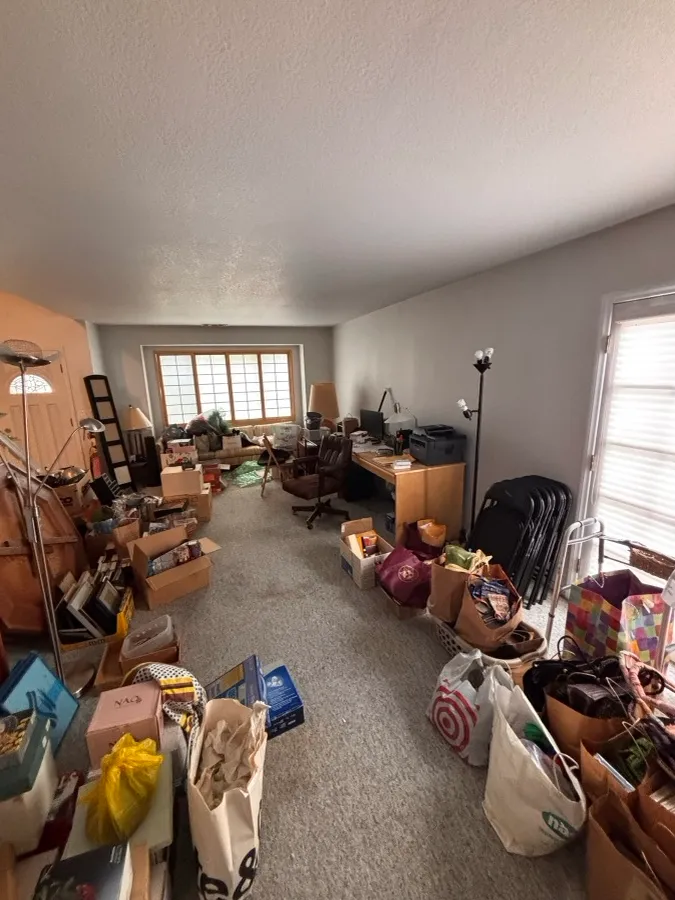
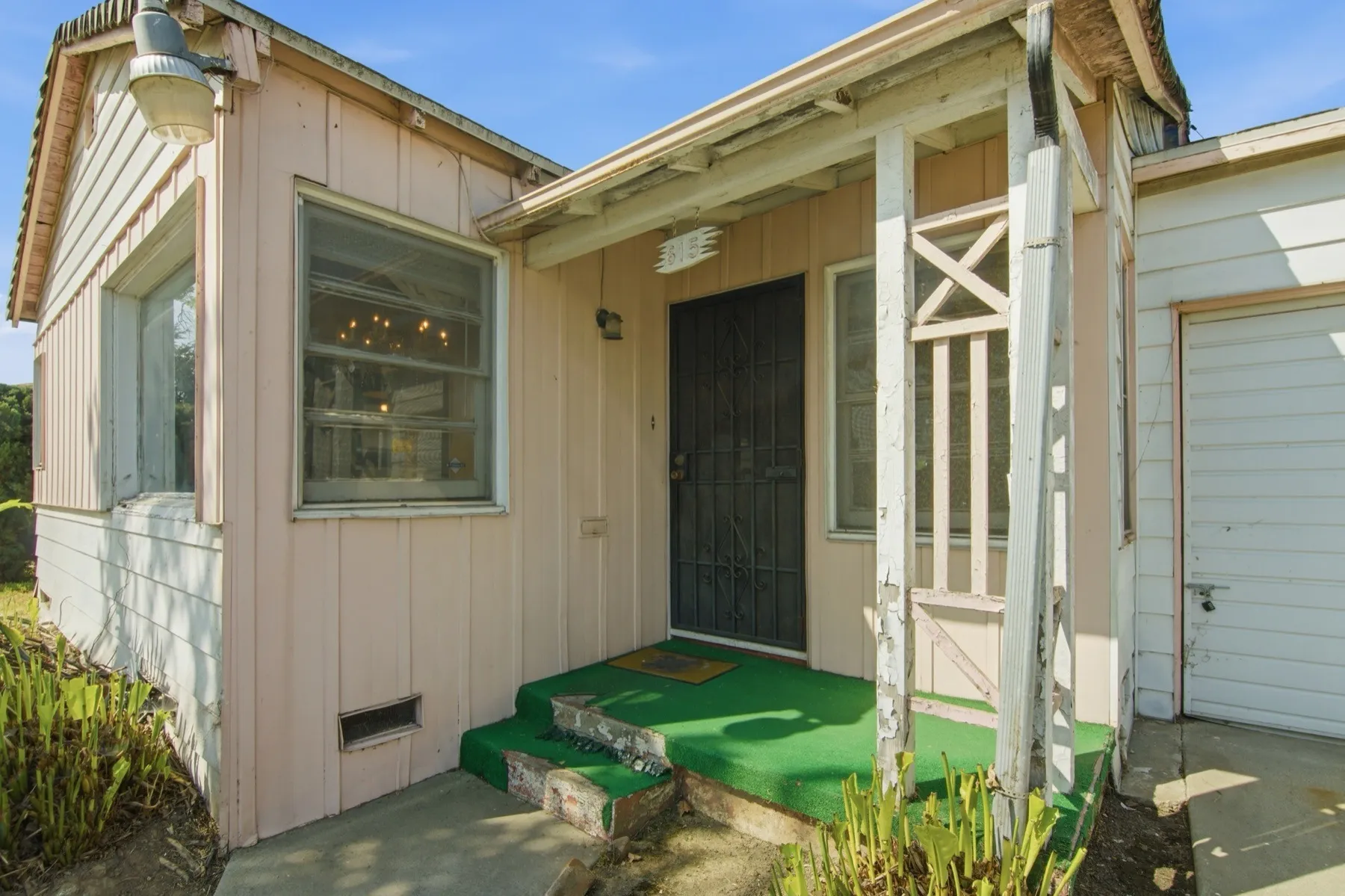
The legal steps to remove squatters in California, how long each one takes, and what it costs me if I try to shortcut the process.
In this post
- Step 1: Confirm Who You Are Dealing With
- Step 2: Build Your Paper Trail
- Step 3: Let an Attorney Choose and Serve the Notice
- Step 4: Ask About Cash for Keys
- The Mistakes That Add Months
- Can Police Remove Squatters in California?
- So How Long Will This Take?
- Or Skip the Fight and Sell
- What to Do Next
- Conclusion
- About the Author
- Related Reading
Summary
- Confirm who is inside first. Trespasser, squatter and tenant each take a different legal path.
- Report a fresh break in to police immediately. After that window closes it usually becomes a court matter.
- Gather ownership records, messages and a timeline, then let an attorney choose and serve the notice.
- Cash for keys can skip the lawsuit, but it needs a written agreement and legal review. In the City of Los Angeles it has its own rules.
- Never change the locks, cut utilities or move belongings. Those are what turn weeks into months.
- Nobody can honestly promise a removal timeline. What you control is the mistakes.
To get rid of squatters in California, confirm who is inside, report any fresh break in to police, build a paper trail, and have an attorney serve the right notice. If they claim tenancy it usually ends in an unlawful detainer case. Cash for keys can shortcut the fight.
You found someone living in your property and your gut says change the locks tonight. That instinct is exactly how a few weeks of hassle becomes six months of court dates and, occasionally, a judgment against you.
The fastest route in California is the boring one. Do every step correctly the first time. Here is the order, and the mistakes that reset the clock.
I have bought more than 1,000 houses in Southern California and dealt with occupied properties many times. I am a licensed real estate agent, not an attorney. This is general information, not legal advice for your situation.
Step 1: Confirm Who You Are Dealing With
A trespasser and a tenant who stopped paying need completely different approaches. So does a relative who overstayed, or someone holding a lease from a person who had no right to grant one.
- Fresh break in, no paperwork. Call police right away. This is a trespass call and speed decides everything.
- Living there a while, claiming a lease. Police will usually call it a civil dispute and point you to court.
- Former tenant or guest. Their past permission changes which notice you need.
Not sure which you have? That is normal, and it is exactly what your attorney sorts out at step 3. For the legal background, read Squatter’s Rights in California: What Every Homeowner Should Know.
Step 2: Build Your Paper Trail
Before anyone serves anything, gather:
- Your deed or title record, and your property tax receipts
- Utility bills in your name
- Photos and video, with dates
- Every text, email or note from the occupants
- Any lease or rent receipt they have shown you
- A simple timeline: when you last visited, when you noticed them, who you have told
This lets an attorney pick the right path quickly. It also protects you if the occupant later claims you agreed to let them stay, which is a more common defence than owners expect.
Step 3: Let an Attorney Choose and Serve the Notice
Incorrect notices or faulty service derail an eviction. Then you start over and the clock resets to zero. This is where most of the lost months actually come from.
If the case reaches court it is called an unlawful detainer. Once the occupant is served, California gives them 10 court days to respond. Before January 1, 2025 it was 5 (Assembly Bill 2347, 2024). Court days skip weekends and holidays, so budget about two calendar weeks before anything else happens.
If you win, the Sheriff carries out the removal. Not you, not a locksmith, not a friend with a truck (Los Angeles County Department of Consumer and Business Affairs, n.d.).
Step 4: Ask About Cash for Keys
Cash for keys means you pay the occupant to leave by an agreed date, hand over the keys and leave the place in agreed condition. Paying someone who should not be there stings. It can also cost far less than months of court and holding costs, and it may avoid a lawsuit entirely.
Negotiation guidance for investors frames this well: a deal is a pot of needs traded between two sides, and the party with better alternatives holds the leverage (Scott et al., 2019). Your alternative is a court case with no guaranteed end date. Theirs is usually worse. That is often enough to make a modest payment the cheapest door out for both of you.
Do it properly or not at all:
- Put it in writing, with a move out date and what happens if they miss it
- Tie the payment to move out day, never before
- Have an attorney review it
The Los Angeles Wrinkle
If the occupant is actually a tenant in a rent stabilized unit in the City of Los Angeles, a buyout follows its own rules. You give the tenant the city Disclosure Notice before you make an offer. You file the signed agreement with the Los Angeles Housing Department within 60 days. The tenant may cancel within 30 days of signing (Los Angeles Municipal Code § 151.31).
Done any other way, the agreement may not hold, and you are the one it comes back on.
The Mistakes That Add Months
Every one of these feels like progress. Every one can make you the defendant.
Avoid all of these, without exception:
- Changing the locks. A lockout can be illegal if the occupant has any tenant status
- Shutting off utilities. Against a tenant that can cost $100 a day, with a $250 minimum, under Civil Code § 789.3
- Removing their belongings, even when it looks like rubbish
- Threats or force. Call police instead
- A homemade notice. Wrong form or wrong service sends you back to step 1
Can Police Remove Squatters in California?
Sometimes. Police can act on trespass, particularly a fresh break in. Once someone claims to be a tenant it usually becomes a civil matter for the courts.
Two bills tried to open a faster route for owners. Senate Bill 448 would have let law enforcement remove occupants after a written demand to leave, and failed in the Senate in February 2026. Assembly Bill 897 would have made unlawful squatting a crime, and died in committee in May 2025. As of October 2026 the court is still the main road.
So How Long Will This Take?
Nobody can guarantee a removal timeline. Not me, not an attorney, not a website. It depends on who is inside, whether they contest it, and how busy your court is.
| Stage | What drives the time | What you control |
|---|---|---|
| Identifying the occupant | How much proof you already hold | Everything. Start here |
| Notice and service | Whether the form and service are correct | Everything. Use an attorney |
| Response window | 10 court days, set by statute | Nothing |
| Court calendar | Your county backlog | Nothing |
| Sheriff removal | Sheriff scheduling | Nothing |
Look at that middle column. Most of what decides your timeline is out of your hands. The two rows you do control are the two where owners make the mistakes. Get the identity and the notice right and you have removed the restarts, which is the only real lever you have.
Or Skip the Fight and Sell
If you want the house back to live in or rent out, hire the attorney. That is the right move, and selling to me would be the wrong one. I would rather say that now than waste your afternoon.
If you are done with the property, you do not have to win the fight first. I buy houses in Los Angeles, Orange and Ventura counties with tenants, squatters or anyone else still inside, and I handle the occupants after closing. Here is how that works: Can You Sell a House With Squatters Living In It?
What to Do Next
If the better move is to hire an attorney and keep the house, I will tell you that on the call. Start at Sell a House With Squatters in Los Angeles.
Conclusion
There is no trick that makes this fast. There is only a correct order, and a list of shortcuts that make it slower.
Confirm who is inside. Call police if it is fresh. Collect your paper. Let an attorney serve the notice. Consider cash for keys with proper review. And keep your hands off the locks and the utilities, however justified it feels at two in the morning. That is the whole method, and it is the only one that does not add months.
About the Author
Jose Schnaider grew up in the San Fernando Valley and has spent 11 to 12 years in Southern California real estate. He has bought more than 1,000 houses, including occupied ones, and buys in Los Angeles, Orange and Ventura counties. He is a licensed California real estate agent, not an attorney.
Rapid Close SoCal, LLC buys houses as an investor, for its own account, for profit and resale. It is not a licensed real estate brokerage and is not your agent. Listing and agency services are provided separately by Jose Schnaider, licensed California real estate salesperson, DRE number 01975968, under Dream Team Real Estate Consultants Inc, and only under a signed listing agreement. Nothing here is legal, tax or financial advice. Talk to your own attorney or CPA, and I will work with whatever they advise.
Related Reading
- Squatter’s Rights in California: What Every Homeowner Should Know
- Can You Sell a House With Squatters Living In It?
- How to Evict a Tenant in California: Timeline, Cost and Alternatives
- Sell a House With Squatters in Los Angeles
Sources
- Assembly Bill 2347, 2023 to 2024 Reg. Sess. (Cal. 2024). Unlawful detainer: responsive pleading. California Legislative Information.
- Los Angeles County Department of Consumer and Business Affairs. (n.d.). Utility shutoffs and illegal lockouts.
- Los Angeles Housing Department. (n.d.). Tenant buyout notification program (Los Angeles Municipal Code § 151.31).
- Scott, J., Ferguson, M., & Scott, C. (2019). The book on negotiating real estate: Expert strategies for getting the best deals when buying & selling investment property. BiggerPockets Publishing.
Common questions
Can I just change the locks to remove a squatter from my house?
No. Changing the locks can be an illegal lockout if the occupant has any claim to tenant status, and it can make you the defendant. Report fresh break ins to police, then have an attorney serve the right notice. If you win, the Sheriff handles removal.
Can police remove squatters from my property in California?
Sometimes. Police can act on trespass, especially a recent break in. Once an occupant claims tenancy it usually becomes a civil matter for the courts. Two bills that would have created a faster police removal route, Senate Bill 448 and Assembly Bill 897, both failed.
Can I pay squatters to leave my house in California?
Yes, through a cash for keys agreement. You pay the occupant to move out by a set date and hand over the keys, all in writing. It can avoid a lawsuit but needs legal review. In the City of Los Angeles, buyouts of rent stabilized tenants follow Municipal Code § 151.31.
How long does it take to remove a squatter from my house in California?
There is no fixed timeline and nobody can honestly promise one. It depends on who the occupant is, whether they respond, and the court calendar. Once served with an unlawful detainer they have 10 court days to respond. Getting the paperwork right is what you control.
What is an unlawful detainer in California?
It is the court case a property owner files to recover possession. The occupant is served, has 10 court days to answer, and a judge decides. If the owner wins, the court issues an order and the Sheriff carries out the removal.