Selling as-is does not cancel California disclosure law. Here is what I still have to tell buyers, and what I can genuinely skip.
In this post
Selling as is means you will not pay for repairs. It does not mean you can stay quiet about problems. California still requires you to disclose everything you know that affects the value or desirability of the house. As is limits your repair obligation. It does not limit your disclosure duty.
Summary
- As is is a repair term, not a disclosure term. It says who pays, not what you must reveal.
- You still deliver a Transfer Disclosure Statement on most one to four unit sales, and you still disclose material facts.
- If your house is listed, your agent has their own inspection and disclosure duty that you cannot switch off.
- As is does not remove the buyer’s inspection contingency. They can still inspect and still walk away.
- What you genuinely skip: making repairs, paying credits, getting the house market ready, and negotiating a repair list.
- The two ways sellers get sued are concealing a known defect and answering a direct question falsely. Both are avoidable.
What As Is Actually Does
An as is clause is a statement about money. It tells the buyer: the price reflects the condition, and I am not fixing anything or paying you to fix anything.
That is genuinely valuable, and it is more than sellers realize. In a normal California sale, a buyer inspects, produces a list, and asks you to repair items or credit them. That negotiation happens after you are already in contract and already off the market, which is when you have the least leverage. An as is sale removes that second negotiation entirely.
Concretely, as is means:
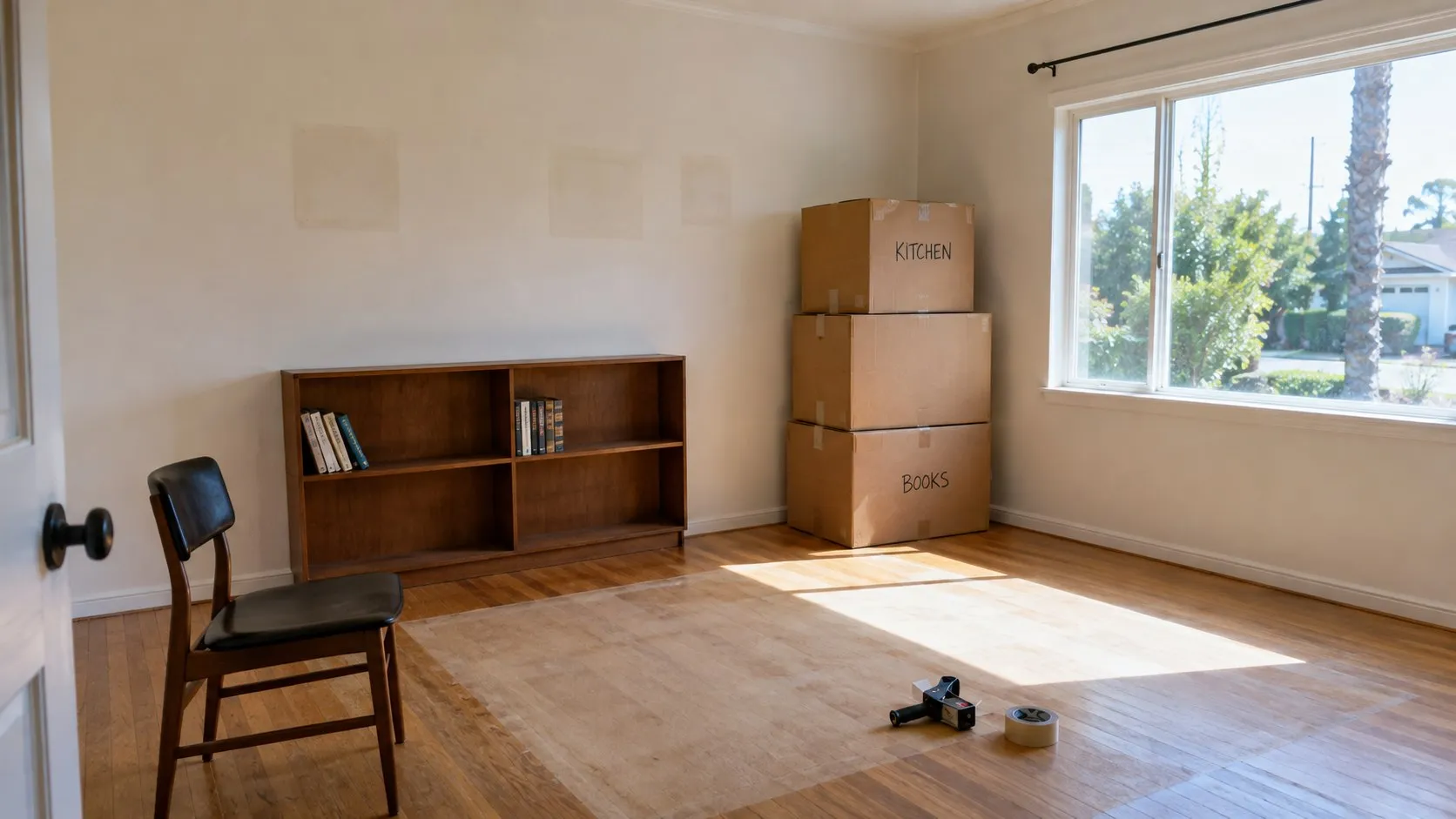
- You do not repair anything before closing.
- You do not issue repair credits at closing.
- You do not have to bring the house up to any standard of condition.
- You do not have to clean it, clear it or make it presentable.
- The price you agreed is the price, not an opening position subject to an inspection report.
What it does not mean is that the buyer is taking the house blind. That is the misunderstanding that causes the trouble.
What It Does Not Do
Here is the sentence that matters most on this page. As is governs who pays. Disclosure governs who knew. They are separate obligations and the first one does not cancel the second.
California requires most sellers of one to four residential units to deliver a Real Estate Transfer Disclosure Statement. That duty begins at Civil Code section 1102. Beyond the form, sellers and their agents have a broader obligation to disclose facts material to the value or desirability of the property and not to commit fraud, misrepresentation or deceit.
None of that is waived by writing as is in the contract. A seller who knows the roof leaks and sells as is must still say the roof leaks. The as is clause means the buyer cannot then demand a new roof or a credit for one. It does not mean the seller could have kept the leak to themselves.
Two timing rules that sellers get caught by:
- If the disclosure reaches the buyer after the purchase agreement is signed, the buyer may terminate. Three days after delivery in person, five days after delivery by mail.
- You cannot answer a direct question falsely. Even in a transaction where a disclosure form might be excused, misrepresenting the answer to a question the buyer actually asked is a separate problem with separate consequences.
General information, not legal advice. Have a California real estate attorney review your disclosure package on an as is sale.
The Paperwork That Still Applies
Sellers often assume an as is sale is a paperwork free sale. On a listed sale it is close to the opposite. Here is what typically still travels with the transaction.
| Document | Does as is remove it | What it covers |
|---|---|---|
| Transfer Disclosure Statement | No | Your knowledge of the property condition |
| Natural Hazard Disclosure | No | Flood, fire, seismic and other mapped zones |
| Agent Visual Inspection Disclosure | No | Your agent's own observations, not yours |
| Lead based paint disclosure | No | Required on most pre 1978 housing |
| Known material facts generally | No | Anything affecting value or desirability |
| Repair negotiation | Yes | This is what as is removes |
| Repair credits | Yes | This is what as is removes |
The third row surprises people, so it is worth spelling out. If you list the property with an agent, California law requires that agent to conduct their own reasonably competent and diligent visual inspection of the accessible areas and to disclose what they find to the buyer. That duty sits with the agent, not with you, and you cannot instruct it away. Your agent is going to disclose the stained ceiling whether or not you mention it.
This is one reason selling as is directly to a cash buyer is procedurally simpler than listing as is. There is no third party with an independent statutory duty to inspect and report on your house.
What You Genuinely Can Skip
I want to be concrete about the upside, because most articles on this subject are so focused on the disclosure warning that they never tell you what you actually gain.
- Repairs. All of them. Roof, systems, structure, cosmetic. Nothing.
- Pre sale preparation. No painting, no flooring, no landscaping, no staging.
- Cleaning and clearing. Including a house full of belongings. See selling a house full of belongings.
- The repair negotiation. The single biggest source of friction and delay in a conventional sale.
- Repair credits at closing. Money that comes straight off your proceeds.
- Contractor management. Finding them, scheduling them, paying them, supervising them.
- Carrying costs during the work. Every month of repairs is a month of mortgage, taxes, insurance and utilities.
That last item is the one sellers leave out of the comparison and it is often the largest. A three month repair project on a house you are already paying for is three months of costs on top of the repair bill itself.
As Is Does Not Stop the Inspection
This is the second big misunderstanding, and it specifically affects sellers who list as is rather than selling to a cash buyer.
Writing as is in the contract does not remove the buyer’s right to inspect, and in a normal California listed sale it does not remove their inspection contingency either. The buyer can hire an inspector, that inspector can find whatever is there, and if the contract still has an inspection contingency the buyer can cancel and walk with their deposit.
So what does as is change? It changes what happens next. Without as is, the buyer’s inspection produces a repair request and a negotiation. With as is, the buyer’s realistic options narrow to proceeding at the agreed price or cancelling. They do not get to ask for a new roof.
In practice this means:
- An as is listing can still fall out of escrow after inspection. It happens regularly.
- The failure comes later and costs more than it would have, because you have been off the market.
- Each failed escrow makes the listing look worse to the next buyer, who asks why it came back.
A waived inspection contingency is a different thing from an as is clause, and the two get confused constantly. A buyer paying cash may choose to waive contingencies. A buyer with a mortgage usually cannot, because their lender requires an appraisal and may require conditions to be met. If you are selling as is to a financed buyer, expect the inspection to happen and expect the lender to react to what it finds.
What As Is Costs You in Price
As is sells for less. Let me be straightforward about why, because the reason is not that buyers are taking advantage.
Your buyer pool shrinks. Depending on condition, lenders may decline the property. Owner occupants with conventional or government backed loans are the biggest group of buyers in any market, and condition problems remove them. What remains is investors, builders and the smaller number of buyers using renovation financing.
Buyers price uncertainty, not just defects. A buyer taking a house as is cannot ask for anything later, so they price for the worst thing the house might be hiding. The more unknown the condition, the wider that margin.
Nobody is competing. Price is set by competition, and a property with three possible buyers does not produce competition.
The useful consequence: documentation narrows the discount. A seller who hands over an inspection report, repair invoices, permits and a clear written disclosure is selling a known quantity. A seller who says the house needs work and leaves it there is selling an unknown, and unknowns get priced at the bottom of the range. The paperwork you were worried about disclosing is the thing that protects your price.
If you are still deciding whether to repair at all, work through selling a house that needs major repairs first. That guide covers the fix, discount or sell as is decision in full.
The Two Ways This Goes Wrong
Almost every as is sale that ends badly ends badly for one of two reasons.
One: concealing a known defect. Not merely failing to mention it, but actively hiding it. Painting over water staining. Putting a rug over a damaged floor. Repairing something cosmetically so the symptom disappears while the cause remains. This is the one that turns a price negotiation into a legal problem, and the as is clause does not protect you from it.
Two: answering a direct question falsely. The buyer asks whether the house has ever had a roof leak. You say no. It has. That is a discrete act, easy to prove, and the as is clause has nothing to do with it.
The defense against both is the same and it is almost absurdly simple. Write down everything you know, including the things you think will cost you money, hand it over early, and attach the documents. Sellers who overdisclose lose a negotiation. Sellers who underdisclose lose the sale, and sometimes more than the sale.
A note on inherited property, because it comes up constantly. If you inherited a house and never lived in it, you may genuinely know very little about its condition, and some transfers by an estate or trust carry exemptions from the standard disclosure form. Writing that you have never occupied the property and have no personal knowledge of its condition is a legitimate and honest answer. What is not legitimate is using that as cover for things you do know.
Listing As Is Versus Selling As Is
These are two different transactions and sellers conflate them.
| List as is on the market | Sell as is to a cash buyer | |
|---|---|---|
| Disclosure duty | Full, plus your agent's own duty | Full |
| Inspection happens | Yes, by the buyer | Usually, by the buyer before offering |
| Can the deal die at inspection | Yes, regularly | Rarely, condition is already priced |
| Financing risk | High if condition affects the loan | None |
| Commission | Full | Typically none |
| Time | Normal listing, often longer | Days to weeks |
| Price | Higher sticker, more subtractions | Lower sticker, fewer subtractions |
| Best when | Condition is modest and financeable | Condition is serious, or certainty matters |
The honest read: listing as is works well when the house has real but bounded problems and a lender will still fund it. It works badly when the condition is serious, because you spend months discovering that each buyer’s lender declines for the same reason the last one did.
How We Buy As Is
I buy houses in Southern California for my own account, in whatever condition they are in.
- No repairs, no cleaning, no clearing, no staging, no preparation of any kind.
- I inspect before I make an offer, not after. What I saw is what I priced, and I do not come back later asking for a reduction.
- No financing contingency and no appraisal, which are the two things that most often kill an as is listing.
- The purchase and the renovation are funded up front by me and my capital partner. My project manager runs the work after closing.
- You still disclose what you know, and I want you to. A clean disclosure protects both of us and it is how a sale stays closed.
- If the condition is modest and listing would clearly net you more, I will tell you that and show you the comparison.
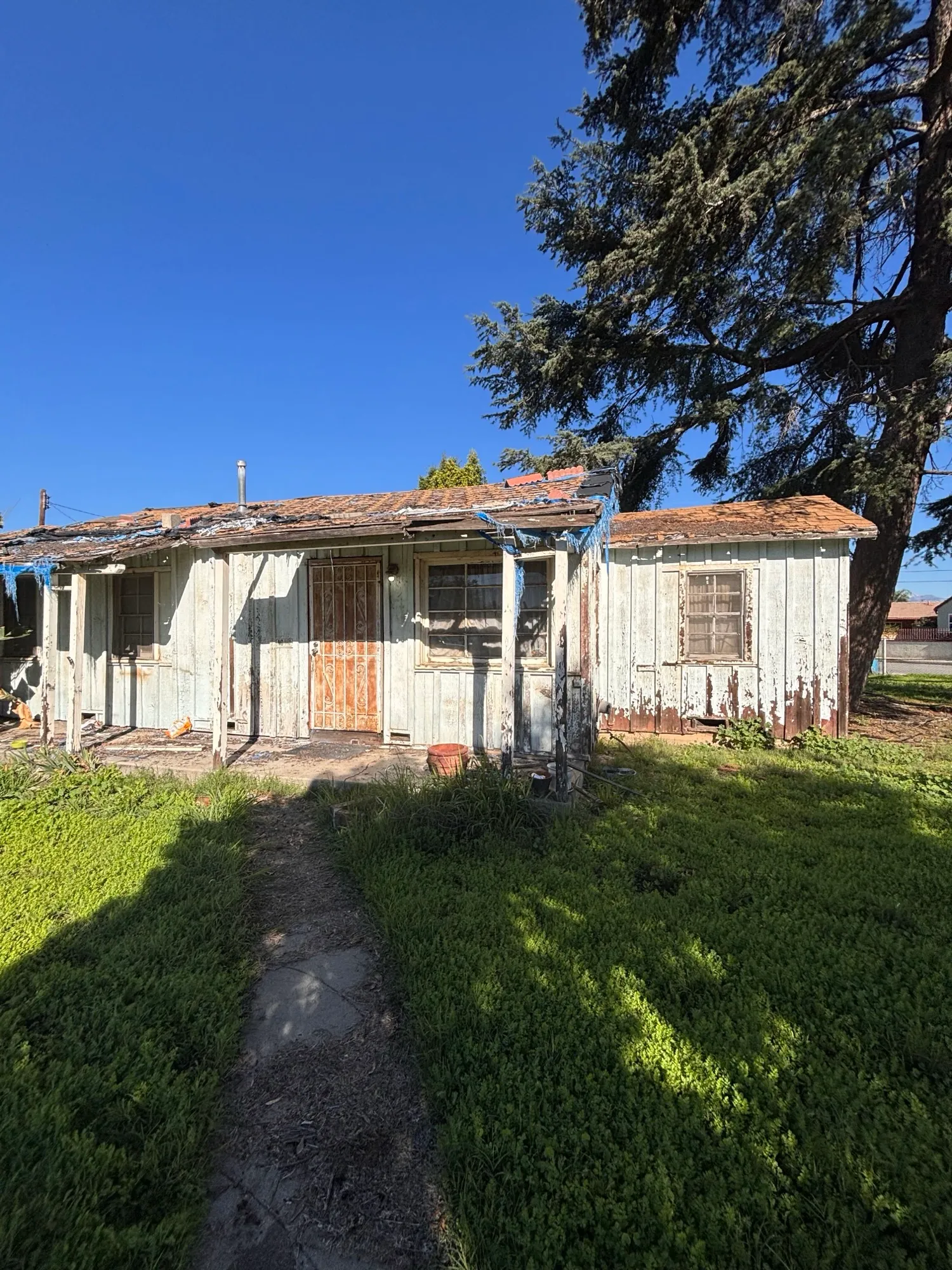
That last line matters here more than anywhere. As is does not automatically mean sell to an investor. If your house needs paint and a water heater, list it. You will net more. A cash as is sale earns its discount when the problems are structural, when the buyer pool has genuinely closed, or when certainty is worth more to you than the last few percent.
If you want a straight number with no obligation, reach us through our sell your house as is in Los Angeles page.
Conclusion
As is is a useful tool that sellers consistently misread in both directions.
They overestimate what it protects them from, assuming it is a shield against disclosure. It is not, and treating it that way is how an ordinary sale becomes a lawsuit.
And they underestimate what it actually gives them. No repairs, no credits, no preparation, no contractor management, no repair negotiation and no months of carrying costs while work drags on. For a seller with a house that needs real work, that is a substantial amount of money and aggravation removed.
Use it properly. Disclose everything you know, in writing, early, with the documents attached. Then decline to fix any of it. That combination is entirely legitimate, it is what as is is for, and it is the version that closes.
About the Author
Rapid Close SoCal, LLC buys houses as an investor, for its own account, for profit and resale. It is not a licensed real estate brokerage and is not your agent. Listing and agency services are provided separately by Jose Schnaider, licensed California real estate salesperson, DRE number 01975968, under Dream Team Real Estate Consultants Inc, and only under a signed listing agreement. Nothing here is legal, tax or financial advice. Talk to your own attorney or CPA, and I will work with whatever they advise.
Sources
- California Department of Real Estate. (n.d.). Disclosures in real property transactions (RE 6).
- California Civil Code § 1102 et seq. Transfer disclosure requirements.
- California Civil Code § 2079. Duty of agent to conduct a visual inspection.
- U.S. Environmental Protection Agency. (n.d.). Real estate disclosure of lead based paint.
- Stone, M. (2019). Real estate investing for everyone: A guide to creating financial freedom. Ixia Press.
- Greene, D. M. (2019). Buy, rehab, rent, refinance, repeat: The BRRRR rental property investment strategy made simple. BiggerPockets Publishing.
Common questions
If I sell as is, do I still have to disclose problems with my house?
Yes. As is addresses who pays for repairs, not what you must reveal. California still requires a Transfer Disclosure Statement on most one to four unit sales under Civil Code section 1102, plus disclosure of any material fact you know.
Can you sell a house as is without an inspection?
You are not required to provide one, but you cannot stop the buyer from getting their own. An as is clause does not remove the buyer's inspection rights or, in a typical listed sale, their inspection contingency.
What does it mean to sell a house as is?
It means the price reflects the property's current condition and you will not make repairs or give repair credits. It is a statement about money and responsibility, not a waiver of your disclosure obligations.
Will I lose money if I sell my house as is?
You will usually accept a lower price, mainly because lenders and owner occupant buyers drop out. Against that, you save repairs, credits, commissions in a cash sale, and months of carrying costs. Compare net proceeds, not asking prices.
How do I sell my house as is in California?
Disclose everything you know in writing with supporting documents, state clearly that the sale is as is with no repairs or credits, and choose between listing it or selling to a cash buyer based on whether a lender would fund the property.