Should you repair before selling? Repair what restores your buyer pool, skip what only changes how the house looks. Compare fixing, discounting and selling as-is.
In this post
- First, Make Sure You Are Reading the Right Guide
- The Three Kinds of Distress
- The Only Repair Rule That Matters
- Who Can Actually Buy Your House Right Now?
- The Three Paths, Compared
- Running Your Own Numbers
- Selling As Is Does Not Mean Saying Nothing
- Start With the Specific Problem
- How We Buy Houses That Need Work
- Conclusion
- About the Author
Repair before selling only when the work restores your buyer pool or returns more than it costs. Otherwise discount or sell as is. The decision is not about how bad the house looks. It is about whether a lender will fund a loan on it in its current condition, because that is what sets your price.
Summary
- The right question is not “is this house too damaged to sell”. Every house sells. The question is who can buy it.
- Repairs that restore financing are worth doing. Repairs that only improve appearance usually are not, on a house in this condition.
- Necessary repairs and optional upgrades are different decisions with different math. Do not mix them.
- Three paths: repair and list, list at a discount, or sell as is for cash.
- Selling as is does not remove your duty to disclose what you know.
- Your true comparison is net proceeds against time, not asking price against asking price.
First, Make Sure You Are Reading the Right Guide
There are two versions of the repair question and they have opposite answers. Sellers lose money by reading advice written for the other one.
| Optional upgrades | Necessary repairs | |
|---|---|---|
| The house is | Already sellable and financeable | Damaged enough to affect financing or safety |
| The question is | Will this return more than it costs | Can anyone buy this house as it stands |
| Examples | Kitchen refresh, paint, landscaping, staging | Roof, foundation, electrical, active leaks, code violations |
| Typical answer | Do a small number of high return items | Repair only what restores the buyer pool |
| Read instead | Our guide on whether to renovate before selling | This guide |
If your house is in good condition and you are deciding whether a new kitchen pays for itself, read should you renovate before selling instead. That is a return on investment question.
This guide is for the other situation. The house has real problems, you know it, and you are trying to work out whether to fix them, price around them, or hand the whole thing to someone who will take it as it is.
The Three Kinds of Distress
Investors sort distressed property into three categories, and the categories are useful to a seller too, because they tell you which problem you are actually solving.
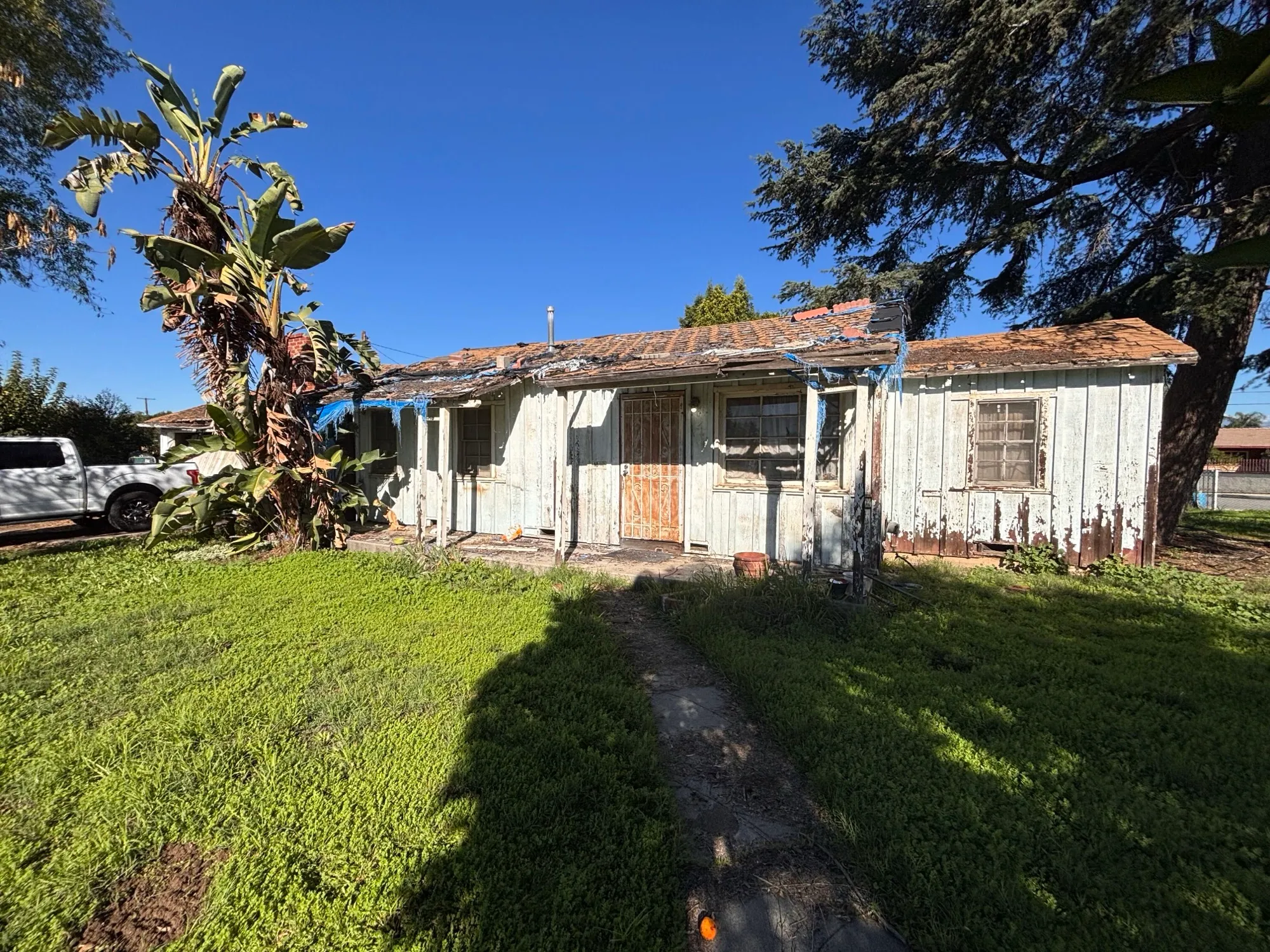
Physical distress. The house itself needs work. Roof, systems, structure, deferred maintenance.
Financial distress. The owner needs to resolve something about money or timing. Payments, a loan coming due, carrying two properties.
Situational distress. Life changed. Inheritance, divorce, relocation, a tenant problem, a property you cannot manage from where you now live.
Most sellers reading this page have at least two of the three, and that is exactly why the repair question is hard. If you had physical distress alone, with unlimited time and money, you would simply fix the house. The decision only gets difficult when the physical problem is sitting on top of a timeline or a cash constraint.
Be honest with yourself about which ones apply. A seller with physical distress alone should usually repair and list. A seller with physical distress plus financial or situational pressure usually should not, because repair projects consume the two things they are shortest of.
The Only Repair Rule That Matters
Here it is, and it decides most of these cases on its own.
Repair what changes who can buy the house. Skip what only changes how the house looks.
On a house with major problems, you are not competing on presentation. Nobody is choosing between your house and a nicer one at the same price. You are trying to get from a small buyer pool to a large one, because pool size is what sets price when a property is distressed.
Repairs that typically restore the pool, because lenders and appraisers react to them:
- An active roof leak, or a roof at the end of its life.
- Non functioning heating. Many loan programs require a working permanent heat source.
- Exposed or unsafe wiring, missing panel covers, obvious electrical hazards.
- Broken or missing plumbing fixtures, no running water, no functioning bathroom.
- Missing handrails, broken stairs, significant trip hazards.
- Peeling paint on a pre 1978 house, which some programs treat as a lead hazard.
- Visible mold, covered separately in selling a house with mold in California.
- Structural movement, covered separately in selling a house with foundation problems.
Repairs that usually do not change the pool, and therefore usually do not pay on a distressed house:
- Kitchen and bathroom remodels.
- Flooring replacement.
- Interior repainting beyond safety requirements.
- Landscaping and curb appeal work.
- Window replacement for appearance rather than function.
That second list is where most of the money gets wasted. A seller spends real money on flooring and paint, the house still fails appraisal on the roof, and the loan declines anyway. The flooring bought nothing.
Who Can Actually Buy Your House Right Now?
This is the piece most sellers never think through, and it is the piece that determines your price. Work out your real buyer pool before you decide anything.
| Buyer type | Can they buy a damaged house | What they need from you |
|---|---|---|
| Conventional borrower | Usually not, if condition affects safety or soundness | Repairs completed before funding |
| Government backed borrower | Usually not, minimum property standards apply | Repairs completed before funding |
| Renovation loan borrower | Yes, within program limits | Patience. These loans take longer to close |
| Local investor or builder | Yes | A realistic price and a clean title |
| Owner occupant paying cash | Yes, but rare | Nothing structural, but they are a small group |
| iBuyer or national platform | Varies, often declines heavy condition | Condition within their model |
Count how many of those rows are genuinely open to you. If the answer is one or two, you are not going to run a competitive listing, and pricing as if you will is how houses sit for ninety days and then sell for less than the first offer.
One row deserves a note, because it is underused. Renovation financing, such as the FHA 203(k) program, lets a borrower finance the purchase and the repair work in a single loan. It is slower and more paperwork heavy than a standard loan, and not every lender does them well, but it means some retail buyers can purchase a house that needs work. If your repairs are substantial but the house is fundamentally sound, asking your agent to market specifically to renovation loan buyers can widen a pool you assumed was closed.
The Three Paths, Compared
| Repair, then list | List as is at a discount | Sell as is for cash | |
|---|---|---|---|
| Money out of pocket | Full repair cost, before you are paid | Little or none | None |
| Who finds the contractors | You | Nobody | The buyer, after closing |
| Time to close | Repair time plus 30 to 60 days listing | Usually longer than a normal listing | Days to weeks |
| Commission and fees | Full | Full | Typically none |
| Risk of falling out of escrow | Low | High, usually at appraisal or inspection | Low |
| Asking price | Highest | Middle | Lowest |
| What you keep | Price minus repairs, carrying, commission | Price minus commission, minus renegotiation | The agreed number |
| Control over timing | Lowest | Low | Highest |
Look at the last three rows together, because that is where the real comparison lives. Path one has the highest asking price and the most subtractions. Path three has the lowest asking price and almost none. Those two often land closer together than sellers expect, and occasionally they invert once carrying costs are included.
The middle path is the one that deserves the most skepticism. Listing a seriously damaged house to the general market at a discount sounds balanced, and sometimes it works. But it is the path where deals most often fail late, because the condition problem surfaces at the appraisal or the inspection after you have already been off market for weeks. If you take that path, qualify the buyer’s financing hard and early.
Running Your Own Numbers
You can do this on one page. Get these five figures and the answer usually makes itself obvious.
- Repaired value. What your house sells for in good condition today. Your agent can give you this from comparable sales in an afternoon, free.
- Total repair cost. Not your estimate. Two written bids on the necessary work only, with the restoration included. Add a contingency, because distressed houses reveal things once you open them.
- Carrying cost. Mortgage, taxes, insurance and utilities for the months the work takes, plus the listing period after it. This is the figure sellers forget, and on a long project it is substantial.
- Cost of selling. Commission, closing costs, and whatever concessions you expect to give.
- Your best cash offer today. Get at least two, so you know the number is real.
Then compare:
- Repair and list nets you: repaired value, minus repair cost, minus carrying cost, minus cost of selling.
- Cash sale nets you: the offer, minus payoff, minus whatever small closing costs apply.
Two honest warnings about that first line. Repair costs on distressed houses run over more often than they run under, so a bid is a floor rather than a ceiling. And the timeline is not fully in your control, because permits, inspections and contractor availability are not yours to schedule.
If the two numbers are close, take the certain one. A slightly higher figure that depends on a six month project going to plan is not actually a higher figure. It is a bet.
Selling As Is Does Not Mean Saying Nothing
This is worth stating plainly because it is the most dangerous misunderstanding in this whole topic.
Selling a house as is means you are not agreeing to make repairs. It does not mean the buyer takes the house without being told what is wrong with it.
California requires most sellers of one to four residential units to deliver a Real Estate Transfer Disclosure Statement, a duty beginning at Civil Code section 1102, and separately requires disclosure of facts material to the value or desirability of the property. An as is clause does not switch that off. If the disclosure reaches the buyer after the agreement is signed, the buyer may terminate: three days after personal delivery, five days after delivery by mail.
The full treatment of what as is does and does not cover sits in our guide to selling a house as is in California. The short version: as is governs who pays. Disclosure governs who knew.
General information, not legal advice. Have a California real estate attorney review your disclosures.
Start With the Specific Problem
If one defect is driving your decision, go straight to it. Each of these covers the disclosure, the cost drivers and the sell or repair decision for that specific problem.
- Fire damage, including how your insurance policy changes the answer.
- Water damage, including whether you must disclose damage that was already repaired.
- Mold, including California’s mold disclosure law and the testing trap.
- Termite damage, including what Section 1 and Section 2 findings mean.
- Foundation problems, including why lenders will not accept a credit.
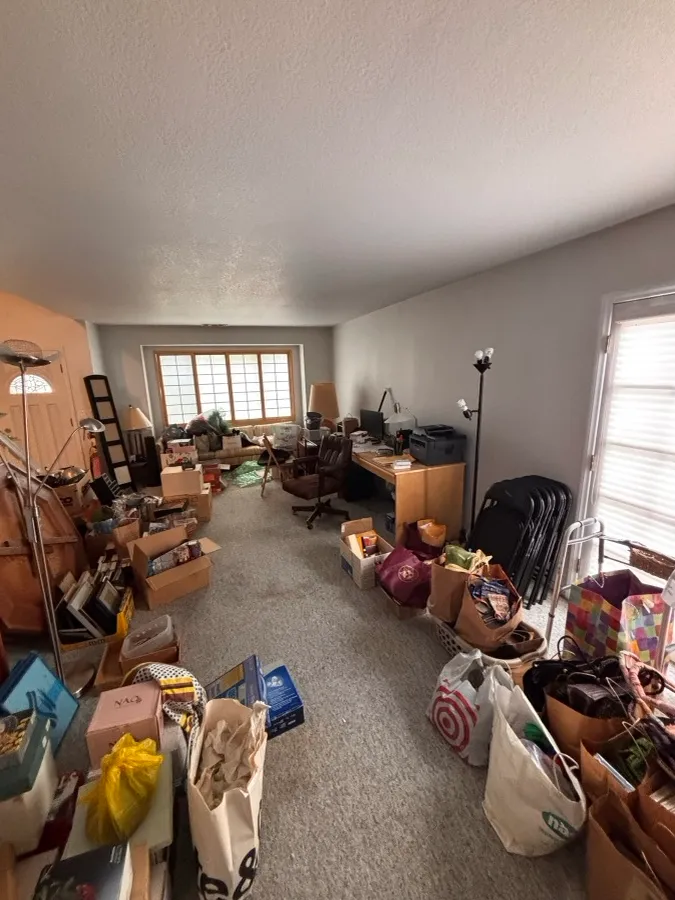
- A house full of belongings, including why you do not need to clear it first.
How We Buy Houses That Need Work
I buy houses in Southern California for my own account. Condition is not a disqualifier and I do not ask you to fix anything first.
- I see the house as it is. No cleaning, no clearing, no repairs, no staging.
- I show you the repair budget I used, so you can check my arithmetic rather than trust it.
- The purchase and the renovation are funded up front by me and my capital partner. My project manager runs the work after closing.
- You choose the closing date.
- No commission and no repair credits taken back out of the price later.
- If repairing and listing would clearly net you more, I will tell you and show you the comparison.
I want to be straight about when a cash sale is the wrong answer, because most pages like this will not tell you. If your house needs cosmetic work only, if you have time, and if you have the money to do the work without borrowing, list it. You will almost certainly net more. A cash sale earns its discount when the repairs are structural, when the timeline is short, or when you simply cannot run a construction project from where you are standing.
If you want a number with no obligation, reach us through our sell your house as is in Los Angeles page.
Conclusion
Strip this down and it is three questions in order.
What is actually wrong, in writing, from someone qualified to say. Who can buy the house in that condition. And what each path leaves in your hands after everything is paid.
Sellers who answer those three in that order make a clear decision quickly, and they are comfortable with it afterwards, whichever way it goes. Sellers who start by getting repair quotes, without first asking who could buy the house, often spend months and real money improving a property that was never going to pass an appraisal for an unrelated reason.
Fix what restores your buyer pool. Price around what does not. And when the gap between repairing and selling is small, take the version that does not depend on a six month project going exactly to plan.
About the Author
Rapid Close SoCal, LLC buys houses as an investor, for its own account, for profit and resale. It is not a licensed real estate brokerage and is not your agent. Listing and agency services are provided separately by Jose Schnaider, licensed California real estate salesperson, DRE number 01975968, under Dream Team Real Estate Consultants Inc, and only under a signed listing agreement. Nothing here is legal, tax or financial advice. Talk to your own attorney or CPA, and I will work with whatever they advise.
Sources
- California Department of Real Estate. (n.d.). Disclosures in real property transactions (RE 6).
- U.S. Department of Housing and Urban Development. (n.d.). 203(k) rehabilitation mortgage insurance program.
- Greene, D. M. (2019). Buy, rehab, rent, refinance, repeat: The BRRRR rental property investment strategy made simple. BiggerPockets Publishing.
- Turner, B. (2020). The book on investing in real estate with no (and low) money down (Rev. ed.). BiggerPockets Publishing.
- Stone, M. (2019). Real estate investing for everyone: A guide to creating financial freedom. Ixia Press.
Common questions
Is it worth repairing my house before selling, or should I sell it as is?
Repair when the work restores financing or returns more than it costs, and you have the time and money to do it. Sell as is when repairs are structural, the scope is unknown, or your timeline is short. Compare net proceeds, not asking prices.
How do I sell a house that needs major repairs?
Identify which repairs affect financing, get written bids on those only, work out who can buy the house in its current state, then compare repairing and listing against a cash offer on net proceeds. Disclose every known defect either way.
What repairs are worth doing before selling a distressed house?
Ones that restore the buyer pool: roof, working heat, safe electrical, functioning plumbing, safety hazards and structural issues. Cosmetic work such as flooring, paint and landscaping rarely pays back on a house with serious defects.
Do I have to disclose problems if I sell my house as is?
Yes. As is addresses who pays for repairs, not what you must reveal. California still requires a Transfer Disclosure Statement and disclosure of material facts under Civil Code section 1102 and general law.
Can a buyer get a mortgage on a house that needs major repairs?
Often not with a standard loan, because appraisers flag safety and soundness problems. Renovation loans such as the FHA 203(k) let a borrower finance the purchase and the repairs together, though they take longer to close.