No California law requires a termite clearance to sell. Learn what Section 1 and Section 2 findings mean, who pays, and how to sell a house with termite damage.
In this post
- What Section 1 and Section 2 Actually Mean
- The Third Category Nobody Warns You About
- Do You Legally Need a Termite Clearance to Sell in California?
- You Still Have to Disclose It
- Who Pays for Section 1 Work
- What Termite Damage Actually Does to Your Price
- Your Options
- How We Handle Termite Damage
- Conclusion
- About the Author
No California law requires a termite clearance to sell your house. The requirement, when it exists, comes from your buyer’s lender or from the contract you signed, not from the state. What stops most sales is Section 1: the findings a pest report marks as active damage, which lenders and buyers expect cleared before closing.
Summary
- Section 1 means visible evidence of active infestation or infection, and the damage it caused. This is the part that has to be dealt with.
- Section 2 means conditions likely to lead to infestation, with no visible evidence of one yet. This is usually negotiable.
- There is a third category, further inspection items, where the inspector could not get access. Sellers ignore these and they become a problem later.
- California does not require a clearance. Your buyer’s loan program or your purchase contract might.
- Who pays for Section 1 work is a negotiation and a local custom, not a legal rule.
- You still have to disclose known termite damage, with or without a report.
What Section 1 and Section 2 Actually Mean
Nearly every California seller eventually gets handed a structural pest control report and has no idea how to read it. The whole document hinges on two categories, and they are defined in state regulation rather than left to the inspector’s judgment.
The report requirements sit in the California Code of Regulations, title 16, section 1990, which implements Business and Professions Code section 8516.
Section 1 findings are items where there is visible evidence of active infestation or infection, together with the conditions that resulted from that infestation or infection. In plain terms: the inspector can see the problem happening, or see the damage it did. Live termites, active fungus, damaged framing, a chewed out sill plate.
Section 2 findings are conditions deemed likely to lead to infestation or infection, where the inspector found no visible evidence of an active problem. In plain terms: nothing is wrong yet, but something about the house invites it. Earth to wood contact, faulty grade, a leaking shower pan, cellulose debris in the crawlspace.
The distinction matters for one reason. Section 1 is the list that costs you money and holds up closings. Section 2 is the list you argue about.
| Section 1 | Section 2 | |
|---|---|---|
| What it means | Visible evidence of active infestation or infection, and resulting damage | Conditions likely to lead to infestation, no visible evidence found |
| Typical items | Live termites, fungus damage, damaged framing and siding | Earth to wood contact, poor drainage, plumbing leaks, debris |
| Lender attitude | Commonly required to be cleared | Commonly not required |
| Who usually pays | Traditionally the seller, by local custom | Traditionally the buyer, by local custom |
| Is it negotiable | Yes, but you have less room | Yes, and you have more room |
| Effect on closing | Can hold up funding | Rarely holds up funding |
The Third Category Nobody Warns You About
The same regulation recognizes a third kind of entry, and it catches sellers out constantly.
Further inspection items are areas the inspector could not access to complete the inspection. A subarea with no crawl access. An attic blocked by stored belongings. A wall covered by built in cabinetry. A deck the inspector could not get under.
These are neither Section 1 nor Section 2. They are blanks. And a blank on a pest report does not mean the house is clear there. It means nobody looked.
Why this hurts sellers:
- A buyer reading a report with three further inspection items reasonably assumes the worst about all three.
- If the buyer pays for the further inspection and it turns up Section 1 damage, you are renegotiating in escrow from a weak position.
- A lender may require the further inspection to be completed before funding, which puts the timeline in someone else’s hands.
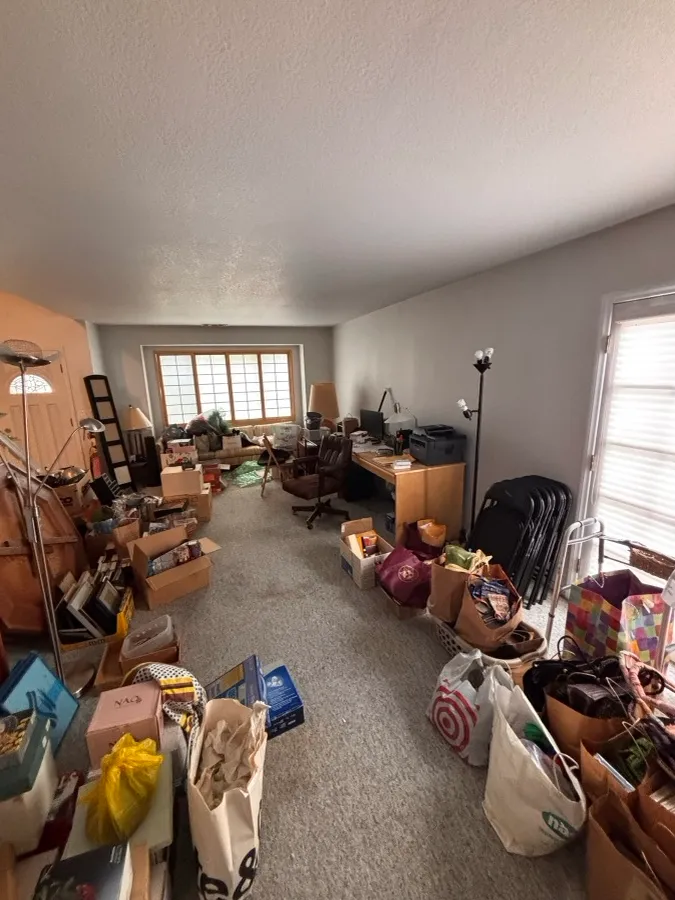
The fix is cheap and almost nobody does it. Clear the access before the inspector arrives. Move the boxes out of the attic hatch. Clear the crawlspace entry. If something genuinely cannot be accessed, say so in your disclosures and explain why, rather than letting a blank sit there looking like a secret.
Do You Legally Need a Termite Clearance to Sell in California?
No. This is probably the single most common misunderstanding in a California home sale.
There is no state law that says a house must have a clear structural pest control report before title transfers. You can sell a house with live termites, visible damage, and no report at all. Plenty of houses change hands exactly that way, mostly to cash buyers.
So where does the requirement people keep running into come from? Three places, none of them a statute about selling houses:
- The buyer’s lender. Loan programs set their own property condition requirements. Some, particularly government backed programs, have historically required a wood destroying pest inspection and clearance of active findings in many circumstances. These requirements vary by program and change over time, so the only reliable answer is the one the buyer’s lender gives in writing on your transaction.
- Your purchase contract. California purchase agreements routinely include terms allocating pest inspection and the cost of corrective work. If you signed one that obligates you to deliver a clearance, that is now a contractual duty. It came from the contract, not the state.
- The buyer. A buyer can simply require it as a condition of their offer, and frequently does.
The practical upshot for you: if you are selling to a cash buyer who is not asking for one, you do not need a clearance. If you are listing to a financed buyer, assume you will be dealing with Section 1 findings one way or another, either by clearing them or by crediting for them.
You Still Have to Disclose It
Not needing a clearance is not the same as not needing to tell anyone.
California requires most sellers of one to four residential units to deliver a Real Estate Transfer Disclosure Statement, a duty beginning at Civil Code section 1102, and separately requires disclosure of facts material to the value or desirability of the property. Known termite damage is material. So is a pest report you have already received.
Disclose:
- Any structural pest control report you have obtained, whatever it says, including old ones.
- Termite damage you know about, whether or not it appears on a report.
- Treatment or repair work that was done, including who did it and whether it was permitted.
- Repairs done by a handyman rather than a licensed operator, which buyers and lenders treat differently.
And if the disclosure reaches the buyer after the purchase agreement has been signed, the buyer may terminate: three days after personal delivery, five days after delivery by mail.
General information only, not legal advice. A California real estate attorney can review your disclosure package.
Who Pays for Section 1 Work
Ask ten people in Southern California and most will tell you the seller pays for Section 1 and the buyer pays for Section 2. That is broadly the customary split, and it is worth knowing because it shapes what a buyer will expect.
But understand what custom means here. It is not law. It is a default that everyone has absorbed and that both sides are free to change. You can negotiate:
- A credit in escrow instead of doing the work yourself, which is usually faster and lets the buyer choose the contractor.
- A price reduction with no credit and no work, which some lenders prefer and some do not permit.
- A capped seller contribution, so an open ended repair does not become an open ended liability.
- The buyer taking it entirely, which is normal on an as is cash sale.
The strategic point: on a financed sale you often have less flexibility than you think, because the lender may require the work done rather than credited. On a cash sale you have complete flexibility, because nobody outside the two of you has a say.
What Termite Damage Actually Does to Your Price
Here is the thing sellers underestimate. The treatment is usually not the expensive part. The repair is.
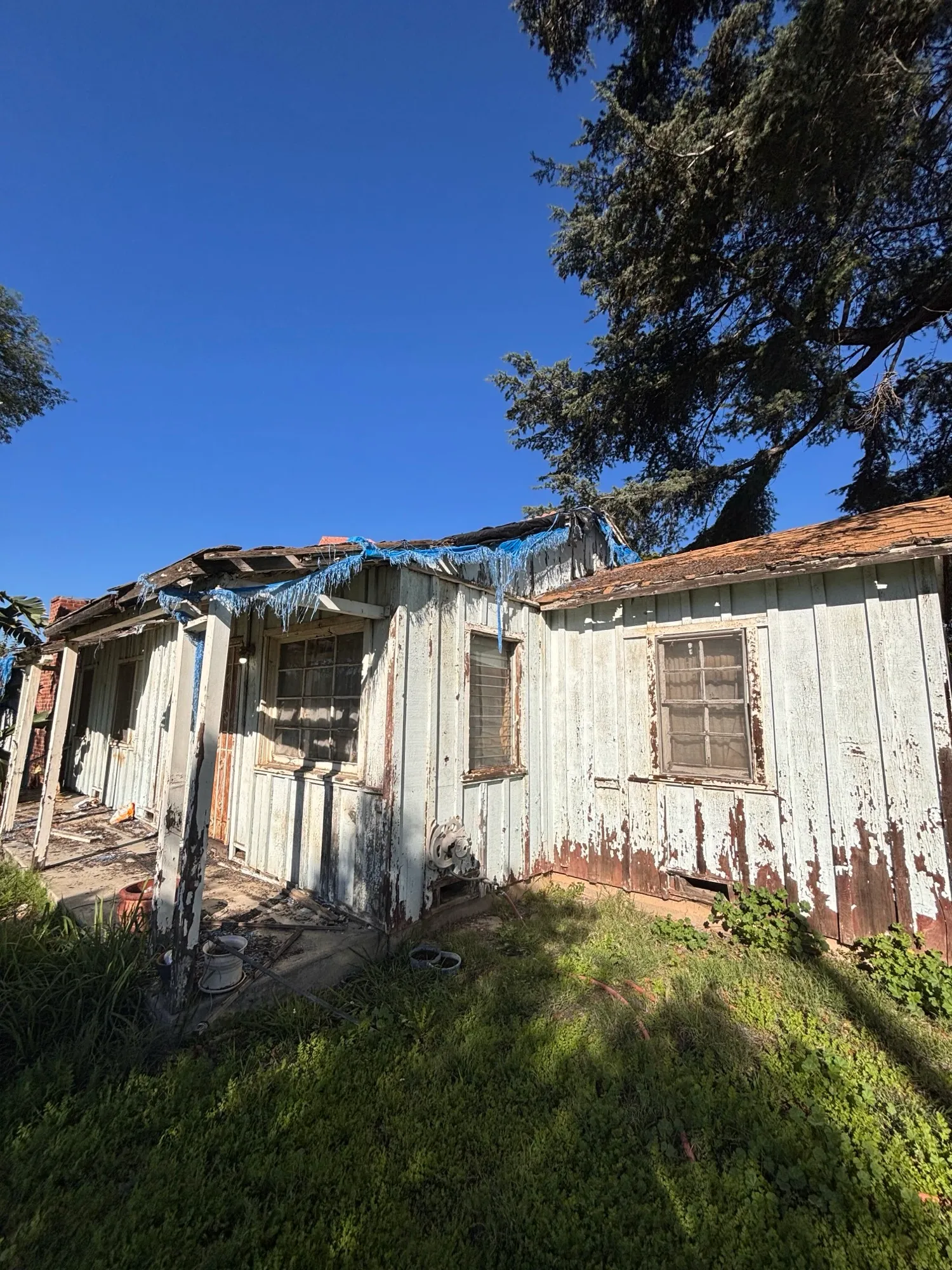
Treating an active infestation is a defined job with a predictable scope. Replacing the structural members the termites ate is not. Once a report calls out damaged framing, damaged sill plate, or damaged subfloor, you are into carpentry that may require opening finished walls, temporary support, and sometimes a permit.
And that is where it crosses over into the territory covered in our guide to selling a house with foundation problems, because sill plate and mudsill damage sits at exactly the junction between pest work and structural work. A report that says the mudsill is damaged is not really a termite problem any more.
What buyers price:
- Scope certainty. A report with two contained Section 1 items prices very differently from one with damage noted in six locations, because the second one suggests the inspector found the parts he could see.
- Whether the conditions were fixed. Section 2 items left in place mean the infestation will come back. Buyers know this.
- Access. Damage under a raised foundation in an accessible subarea is a manageable job. The same damage where there is no access is not.
If the pest report is one item in a longer list of problems with the house, work through selling a house that needs major repairs rather than treating this as an isolated decision.
Your Options
| Clear Section 1 and list | List with a credit | Sell as is for cash | |
|---|---|---|---|
| Cost to you up front | Full treatment and repair | None | None |
| Time to close | Repair time plus listing | Normal listing | Days to weeks |
| Financed buyers available | Yes | Depends on the lender | Not needed |
| Renegotiation risk | Low, you hold the clearance | High if further inspection finds more | None |
| Price achieved | Highest | Middle | Lower, but certain |
| Best when | Damage is contained and accessible | Damage is modest and well documented | Damage is extensive, or structural members are involved |
How We Handle Termite Damage
I buy houses in Southern California for my own account, and a pest report full of Section 1 findings does not change whether I will buy.
- No clearance needed. No treatment needed. No report needed, though if you already have one I would like to see it.
- I budget the treatment and the structural repair separately, and I will show you both so you can see how the offer was built.
- The purchase and the repairs are funded up front by me and my capital partner. My project manager runs the work after closing.
- I do not open further inspection items after we agree a price and come back for a reduction. What I saw is what I priced.
- If your Section 1 list is short and clearing it would put you in a stronger position on the open market, I will tell you that.
If you want a number on a house with termite damage, reach us through our sell your house as is in Los Angeles page.
Conclusion
The Section 1 problem is really a leverage problem. The findings themselves are usually fixable. What hurts is discovering them at the wrong moment, when a buyer is already in contract and knows you cannot easily start over.
So take the discovery into your own hands. Get the inspection before you list, clear the access so there are no further inspection blanks, read the report with the Section 1 and Section 2 distinction in mind, and decide deliberately whether to clear the active findings, credit for them, or sell the house to someone who will take them as they are.
Any of those three is a legitimate answer. Being surprised by them in week three of escrow is not.
About the Author
Rapid Close SoCal, LLC buys houses as an investor, for its own account, for profit and resale. It is not a licensed real estate brokerage and is not your agent. Listing and agency services are provided separately by Jose Schnaider, licensed California real estate salesperson, DRE number 01975968, under Dream Team Real Estate Consultants Inc, and only under a signed listing agreement. Nothing here is legal, tax or financial advice. Talk to your own attorney or CPA, and I will work with whatever they advise.
Sources
- Cal. Code Regs. tit. 16, § 1990. Report requirements under section 8516(b).
- California Business and Professions Code § 8516. Structural Pest Control Act.
- California Structural Pest Control Board. (n.d.). Structural Pest Control Act and regulations.
- California Department of Real Estate. (n.d.). Disclosures in real property transactions (RE 6).
- Greene, D. M. (2019). Buy, rehab, rent, refinance, repeat: The BRRRR rental property investment strategy made simple. BiggerPockets Publishing.
Common questions
Can I sell my house in California without a termite clearance?
Yes. No California law requires a clearance to transfer title. The requirement, when it comes up, comes from the buyer's lender or from your purchase contract. Cash buyers generally do not require one.
What is the difference between Section 1 and Section 2 findings?
Section 1 covers visible evidence of active infestation or infection and the damage it caused. Section 2 covers conditions likely to lead to infestation where no active evidence was found. Section 1 is what holds up closings.
Who pays for termite work in a California home sale?
By local custom the seller commonly pays for Section 1 items and the buyer for Section 2, but this is negotiable, not legally required. On a cash as is sale the buyer typically takes all of it.
Do I have to disclose termite damage if I did not get a report?
Yes. Known termite damage is a material fact and must be disclosed whether or not a report exists. If you have ever received a pest report, that report must be disclosed too, including older ones.
What are further inspection items on a termite report?
Areas the inspector could not access, such as a blocked attic or a sealed subarea. They are neither Section 1 nor Section 2. Buyers tend to assume the worst about them, so clear access before the inspection.